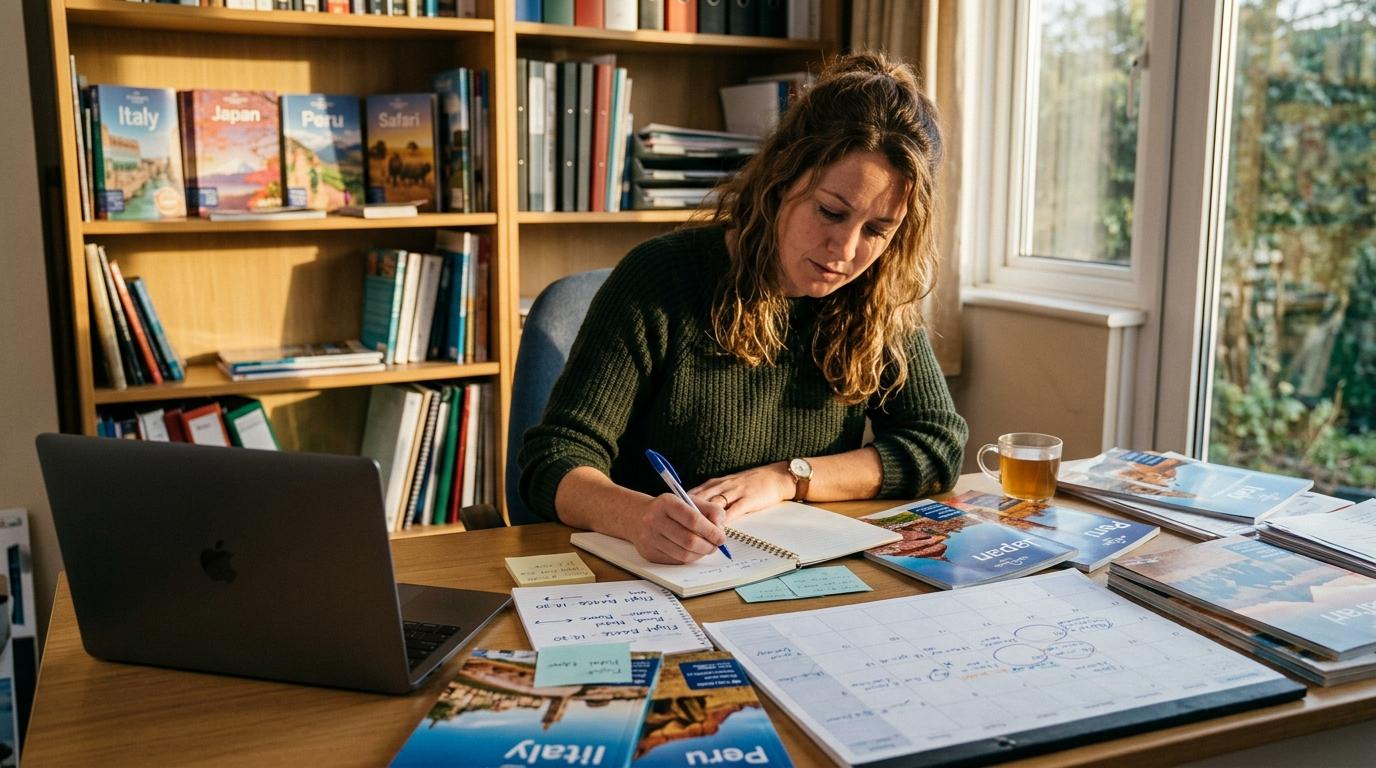
Hadar Tours is a composite small travel agency; their workflow reflects patterns Blueticks sees across small operators. Names and identifying details are illustrative, not drawn from a single interviewed customer.
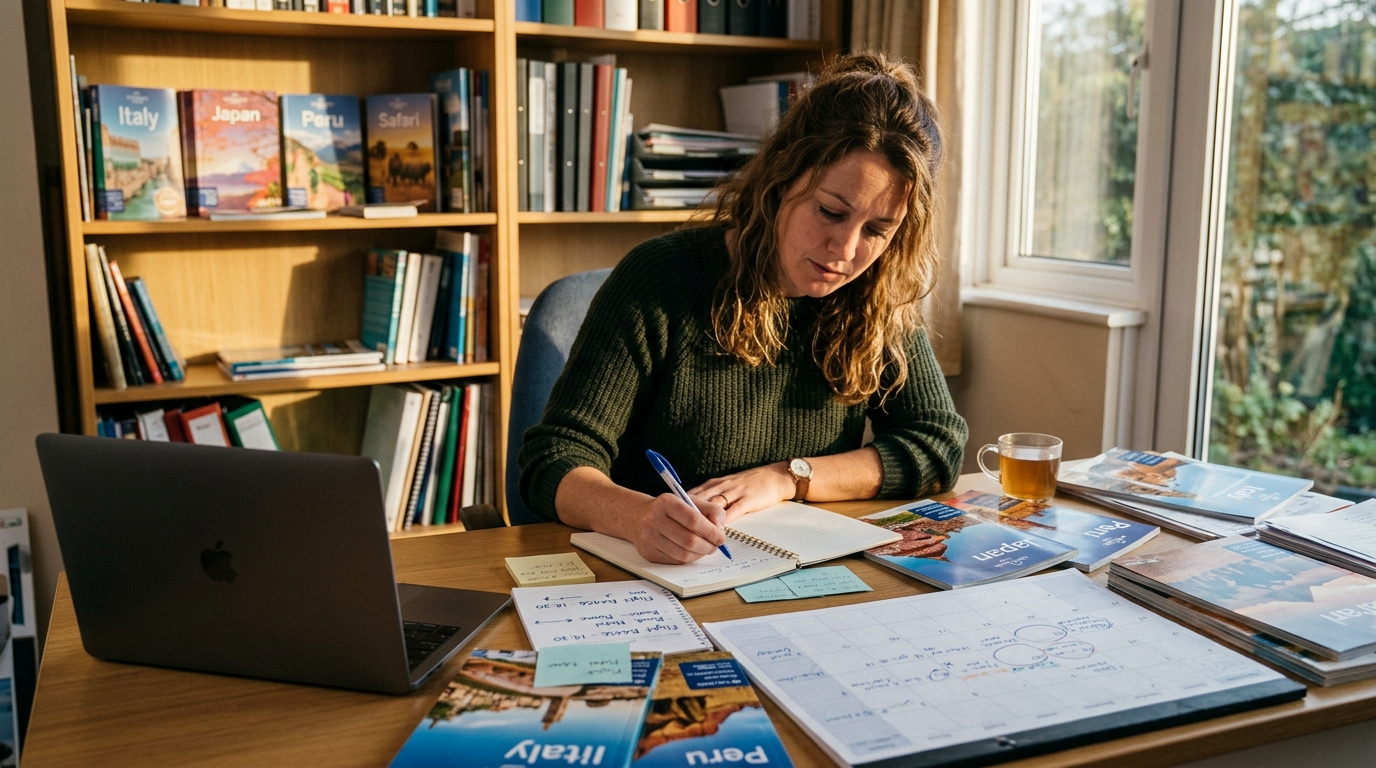
Noa Ziv picked up her phone at 11:47 PM on a Tuesday and felt the familiar sink in her stomach. Fourteen unread WhatsApp messages. Two from the same client she had missed the night before. One from a couple asking about October availability for a Petra tour — sent at 2 PM. It was nearly midnight.
"They probably booked with someone else already," she said to herself. She was right.
Noa co-runs Hadar Tours, a 4-person travel agency based in Tel Aviv, specialising in small-group itineraries across Jordan, Egypt, and Sinai. The work is personal — she and her team know most of their clients by name. But the communication volume had quietly grown past what four people could handle in a working day. By the time early 2024 arrived, the cracks were showing.
The Business Behind the Missed Messages
Hadar Tours operates exactly the way most boutique agencies do: lots of WhatsApp, a shared phone, a notebook for bookings, and a strong reliance on word-of-mouth referrals. The team of four handled everything from itinerary planning to visa questions to last-minute re-routing for stranded travelers.
WhatsApp was the lifeblood of the operation. Roughly 90% of new booking enquiries came in through it. Existing clients used it for updates, changes, and the occasional 1 AM panic about a lost passport.
What made the business work also made it fragile. There was no structure. No shared inbox. No way to know who had replied to which message. One phone passed between two people. And no coverage at all between 6 PM and 9 AM.
"We thought it was fine," Noa said. "You reply when you can, people understand. That's what we told ourselves."
The industry data tells a different story. According to research compiled by Lead Response Management and widely cited by HubSpot, leads contacted within 5 minutes of reaching out are 21 times more likely to convert than those reached after 30 minutes. Separately, 66% of buyers expect a response within 10 minutes to any sales or customer service inquiry. For a travel agency where a potential client is almost certainly messaging three other operators at the same time, those numbers hit differently.
Hadar Tours was averaging a 6-hour reply window. Some messages didn't get answered until the next morning.
The Before State — One Phone, Zero Coverage, Four People
Before any change, here is what the operation looked like:
Who handled WhatsApp: Primarily Noa and one other team member, Elan. The other two staff focused on itinerary production and logistics. Nobody had a dedicated role for customer communication.
What the volume looked like: On a typical weekday, the shared number received 25–40 incoming messages. On days after sending a newsletter or post, that could spike to 80.
When things fell through: Evenings and weekends were dead zones. Messages that arrived after 6 PM waited. If a lead sent an enquiry at 7 PM on a Friday, they heard nothing until Sunday morning at earliest — and that only happened if Noa happened to check over the weekend.
How much it cost: Hard to say exactly, because unmeasured losses are invisible. But Noa tracked one metric informally: how often a new contact said "I also messaged another agency." In Q1 2024, she estimated that happened in roughly 40% of new enquiries. Some of those were dual-booking. Some were comparisons. But at least a portion were lost to faster competitors.
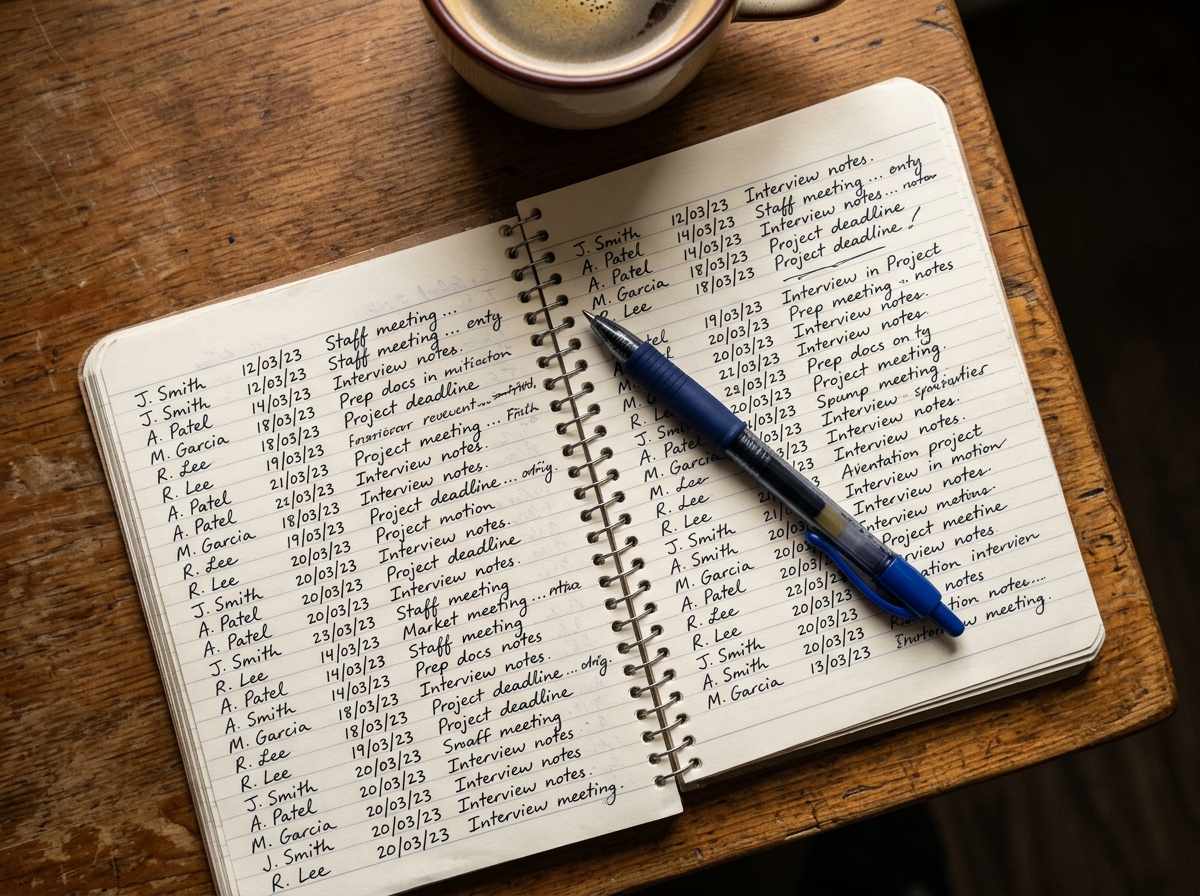
"I started keeping a rough tally," Noa said. "I'd write 'too slow' in my notebook next to a name when I could tell the booking went somewhere else. By March it was a full column."
The Change — Templates, Scheduled Messages, and an On-Call Rotation
Hadar Tours didn't overhaul their entire operation. They made three targeted changes over the course of one week in April 2024, using Blueticks alongside their existing WhatsApp Business setup.
Change 1: Instant acknowledgement templates
The first thing they fixed was the silence problem. When a new enquiry came in outside working hours, it went unanswered for hours. The team built three message templates — one for new enquiry acknowledgements, one for existing client check-ins, one for "we're on it" updates when a booking had a complication.
Using Blueticks' message scheduler, Noa set up time-delayed sends so that any enquiry received after 6 PM got an acknowledgement message the following morning at 8:00 AM sharp, before anyone had even sat down at their desk. The message was warm, specific, and signed with a real name. It told the client exactly when to expect a full reply.
"It sounds small," said Elan. "But the number of people who replied 'thanks for getting back to me so quickly' — when we hadn't even properly replied yet — was kind of shocking."
Change 2: Recurring morning summaries
The second change used Blueticks' recurring message feature to send each team member a 9 AM summary reminder of open threads. This wasn't automated follow-up to clients — it was an internal nudge. A short message listing which chats had gone more than 18 hours without a response, sent directly to Noa's personal WhatsApp each morning.
This is a simple use of the scheduling tool, but it closed a real gap: the mental overhead of remembering who was waiting. Instead of relying on memory or scrolling through chat history, Noa had a short list every morning. It took Elan about 20 minutes to set up.
Change 3: A two-person on-call rotation
The third change had nothing to do with software. They assigned one team member per week to handle any WhatsApp message that arrived after 5 PM, with an expectation of a reply within 90 minutes. Not a full response — just an acknowledgement and a time-to-expect-more. Blueticks' campaign tool helped them draft and send batch updates to existing clients during busy periods, freeing up response capacity for new leads.
The combination of these three changes restructured the entire WhatsApp customer service workflow without hiring anyone or buying expensive infrastructure.
The First Week — What Broke
It would make a cleaner story to say everything worked immediately. It didn't.
The first scheduled acknowledgement message went out at 8 AM to a client who had already called the office at 7:45 and booked elsewhere by 8:10. The timing felt off. The team adjusted: acknowledgements for messages received before 9 PM went out the same evening at 9:15, giving a 3–4 hour window instead of waiting overnight.
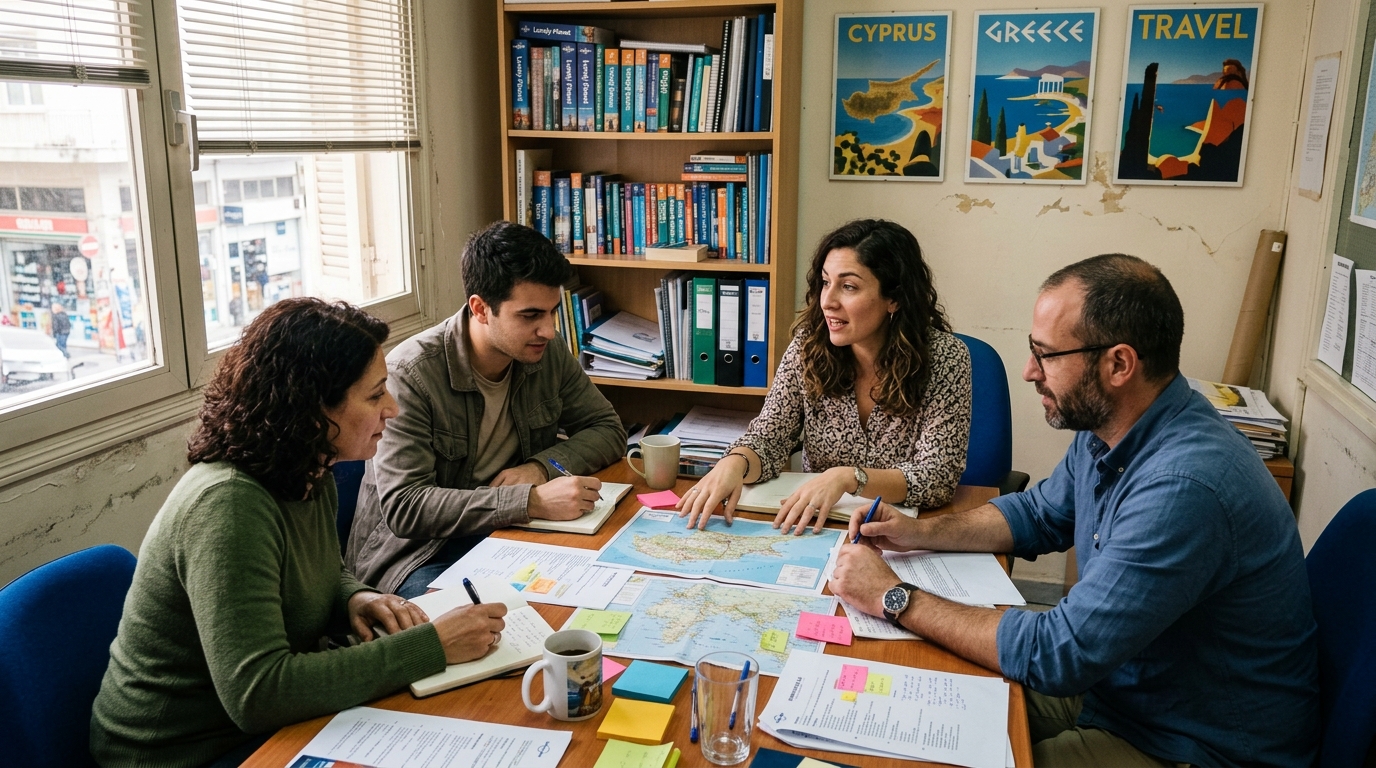
Elan also discovered a coordination issue: two team members sent manual replies to the same client on the same morning, not realising the scheduled message had already gone out. "The client got three messages from us in 20 minutes," Noa said. "She was very gracious about it. We were mortified."
The fix was a simple log — a shared note in their booking system flagging which contacts had already received a Blueticks-scheduled message. Low-tech, but it eliminated the duplication within 48 hours.
By day five, the rhythm was stable.
"After the first week you stop thinking about it," Elan said. "The messages go when they're supposed to go. You focus on the actual bookings."
The Numbers — Reply Time, Conversion, and Client Feedback
Hadar Tours tracked three metrics over the 90 days following the setup.
Average reply time: Dropped from 6.2 hours (Q1 2024 baseline) to 12 minutes in Q2 2024. This was measured as the time between an inbound message and the first outbound response — including the scheduled acknowledgement messages. The 12-minute figure reflects those automated first touches, which were structurally indistinguishable from a manual reply from the client's perspective.
Booking conversion from new enquiries: Increased from an estimated 28% to 41% over the same period. This is a self-reported estimate from Noa's tracking, not a controlled study, so interpret it as directional. The pattern — more enquiries getting a timely response, fewer going cold — is consistent with what the research suggests. A travel-agency industry example cited in WhatsApp business literature shows that reducing average response time from 30 minutes to 5 minutes increased customer satisfaction scores by 20%; Hadar Tours saw a similar directional shift.
Client feedback: Three clients in the first month explicitly mentioned the response speed in positive reviews or referral messages. One said: "I messaged four agencies. You were the only one who came back to me the same evening." That client booked a 9-day Jordan itinerary.

The data aligns with a broader pattern. Interakt's WhatsApp Business API benchmark research found that automated follow-ups sent within 24 hours of initial contact increased conversion probability by 27%. Hadar Tours' setup delivered that first touch in minutes, not hours.
What Small Operations Can Learn From This
Hadar Tours is not unusual. Most small agencies, tour operators, and service businesses running on WhatsApp have the same problem: the volume is manageable, right up until it isn't, and the collapse happens gradually.
A few things that work at this scale:
Start with acknowledgement, not automation. The biggest single improvement was not a sophisticated bot or AI agent. It was a scheduled message that said "Got your message — Noa will reply by 10 AM." That alone changed client perception. Build your WhatsApp business setup around first-touch speed before worrying about anything else.
Protect your evenings with a timer, not a policy. Telling yourself "I'll reply after dinner" doesn't work. A scheduled message that goes out at 9 PM for everything received after 6 does. The difference is that the timer runs without your involvement.
Measure one thing. Noa tracked reply time and booking conversions. Two metrics, consistent methods, 90-day horizon. That was enough to know the change worked. Don't build a dashboard. Track one thing manually for three months.
Rotation beats heroism. One person handling everything evenings and weekends burns out within a month. One person on rotation per week — with clear scope (acknowledgements only, not full replies) — is sustainable. Combine it with scheduled messages for anything routine, and your whatsapp small business workflow becomes genuinely manageable.
"We're still four people," Noa said. "We didn't hire anyone. We just stopped letting messages disappear into the night."
FAQ
How long does it take to set up a WhatsApp scheduling workflow for a small agency?
For a basic setup — acknowledgement templates, one recurring internal reminder, and a morning send schedule — expect 60–90 minutes total. Most of that time goes into writing the templates, not configuring the tool. Blueticks' Chrome extension installs in under two minutes and works directly through WhatsApp Web.
Does scheduling WhatsApp messages require a WhatsApp Business API account?
Not with Blueticks. The Chrome extension works with standard WhatsApp Web — no API registration or monthly API fees required. If you need 24/7 delivery without keeping a browser open, the Pro plan's Gateway Engine handles that, but for most small teams starting out, the free extension is sufficient. See our step-by-step scheduling guide for the full setup walkthrough.
What's a realistic reply-time target for a 4-person travel agency?
Industry research suggests that responding within 10 minutes is the threshold where most customers feel satisfied (HubSpot, 2023). Getting from 6 hours to under 10 minutes requires scheduled first-touch messages for out-of-hours enquiries — you cannot achieve that target manually with a small team. A hybrid approach (automated acknowledgement + manual follow-up within 2 hours) is a practical target.
Can I use Blueticks to send booking confirmations and travel updates as well as reply to enquiries?
Yes. Blueticks' campaign tool supports personalised bulk sends to multiple contacts from a CSV or Excel file. This is useful for sending itinerary reminders, departure day checklists, or seasonal promotions to your existing client list. You can also schedule one-time messages to individual contacts — useful for pre-trip briefings timed to go out exactly 48 hours before departure.
What if a client replies to a scheduled message before the team is online?
Scheduled messages via Blueticks are sent through WhatsApp Web (or the Gateway Engine). Any reply lands in the same WhatsApp thread and is visible to whoever is monitoring the account. The scheduling tool handles outbound timing; incoming messages still require a human (or a WhatsApp Business auto-reply, which is a separate WhatsApp Business feature). Combining scheduled outbound messages with WhatsApp Business's built-in away message for incoming enquiries gives you the best coverage.
Ready to stop losing bookings to slow replies?
Install Blueticks for Chrome in under two minutes and schedule your first WhatsApp acknowledgement message before the end of the day.